
Illustrative image
Industry and remote operations
Energy for operating away from the grid.
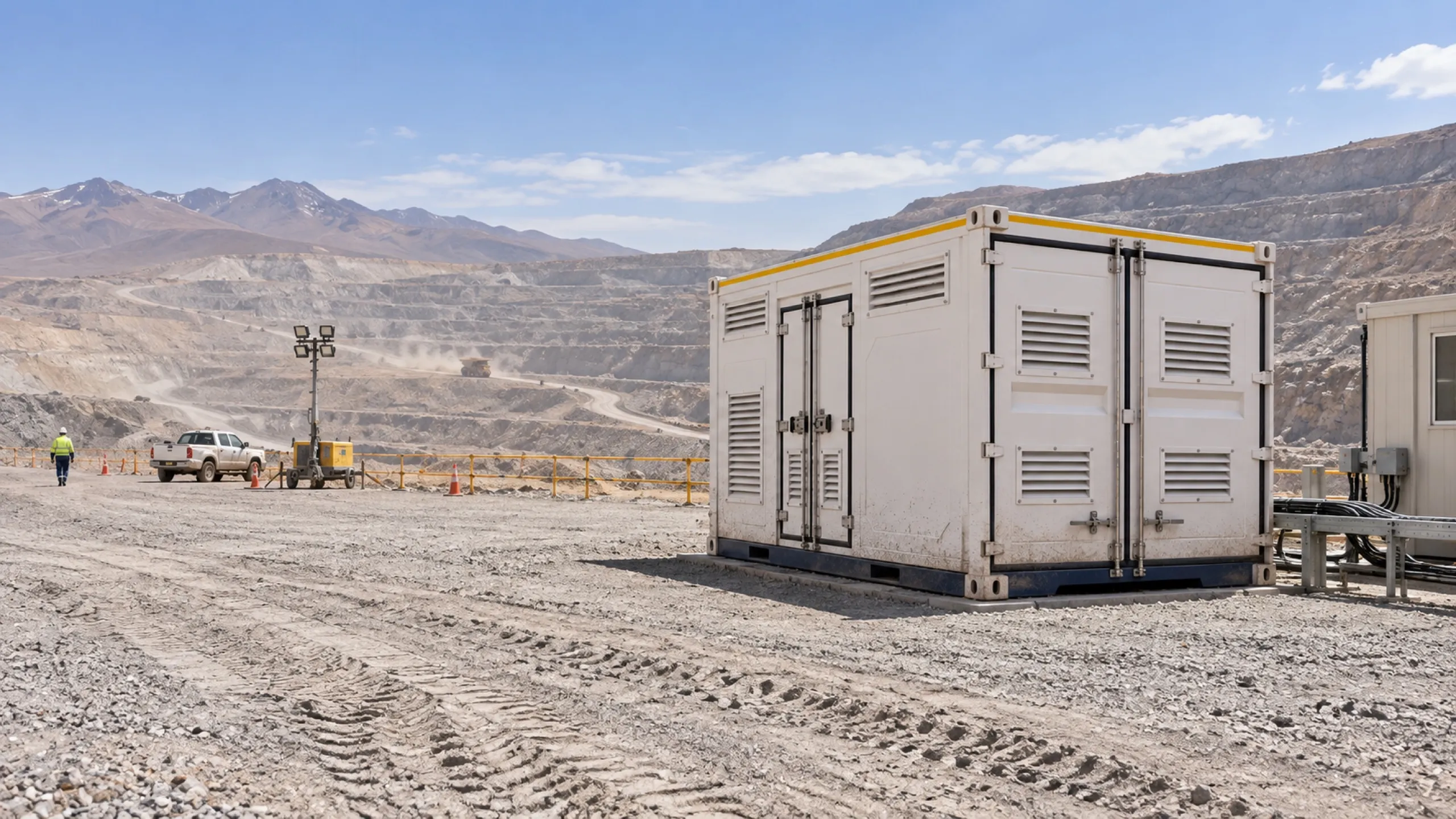
Mine sites, construction sites and camps often run on generators that operate for many hours, even at low demand. Battery storage, solar generation and automatic generator control make it possible to adapt the supply to each stage of the operation.
The reduction in generator hours and fuel depends on demand, the solar resource and how the system is sized.
A generator sized for peak demand spends much of its time at low load, especially at night. During those hours it burns fuel and adds maintenance to supply small loads, and hauling the fuel adds cost and logistics.
- Cut generator running hours during low-demand periods.
- Reduce the fuel hauled to the site.
- Operate with less noise at night.
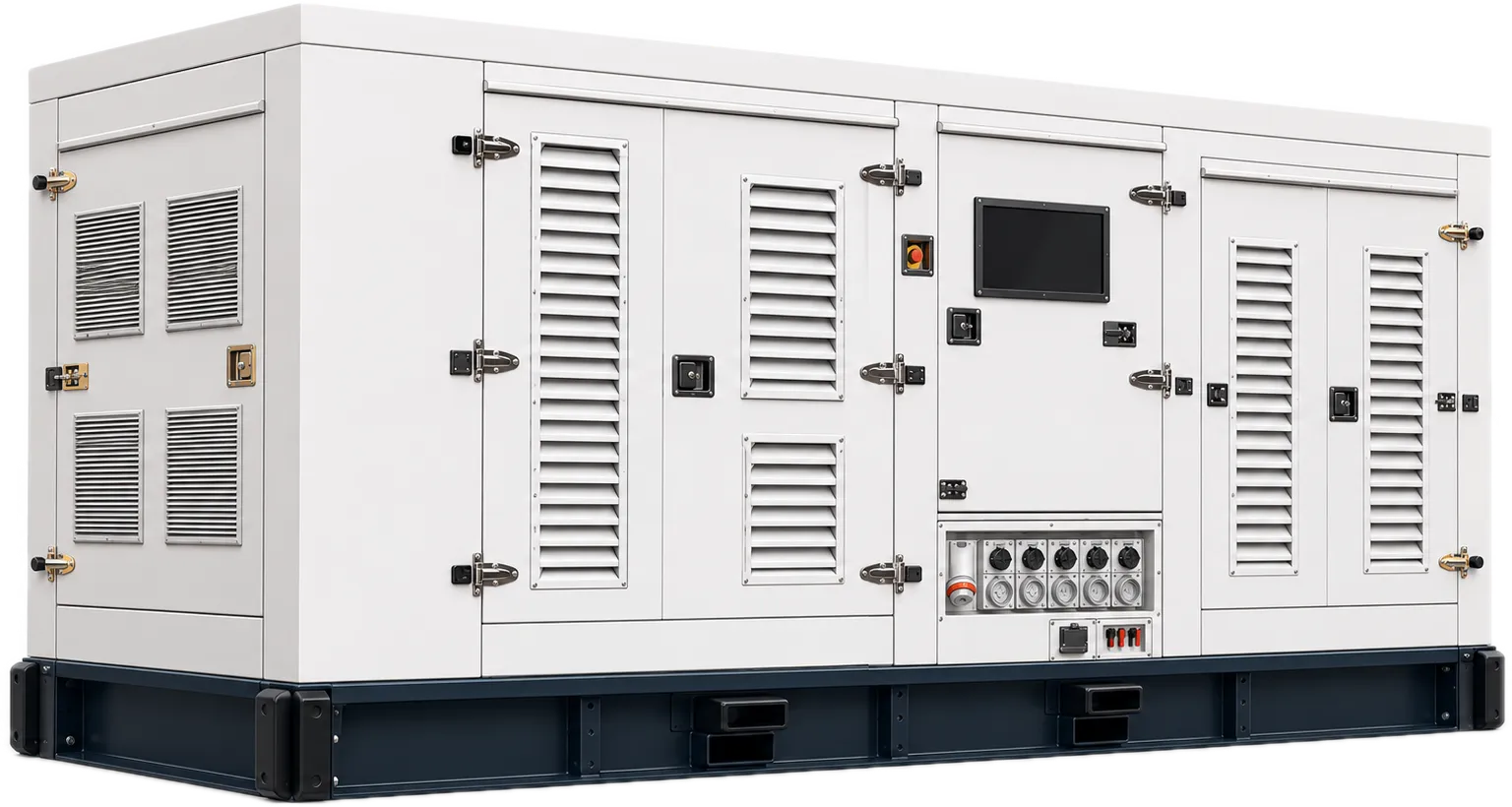
A storage system supplies low demand from the battery. When demand rises or the battery needs recharging, the system starts the generator automatically; where there are panels, solar also recharges the battery. For sites without their own generator, there are units that combine battery and generator in a single structure.
Camps
Lighting, climate control and camp services overnight.
Construction sites
Tools, lighting and equipment that move as the work progresses.
Mine sites and remote facilities
Higher-power loads that rely entirely on a generator today.
- The day and night demand profile determines the storage capacity.
- The operation’s peak power determines the size of the unit.
- Site conditions, such as temperature and dust, are considered when choosing the unit.
Every unit has its datasheet and manual published, and inverter–battery compatibility is documented.
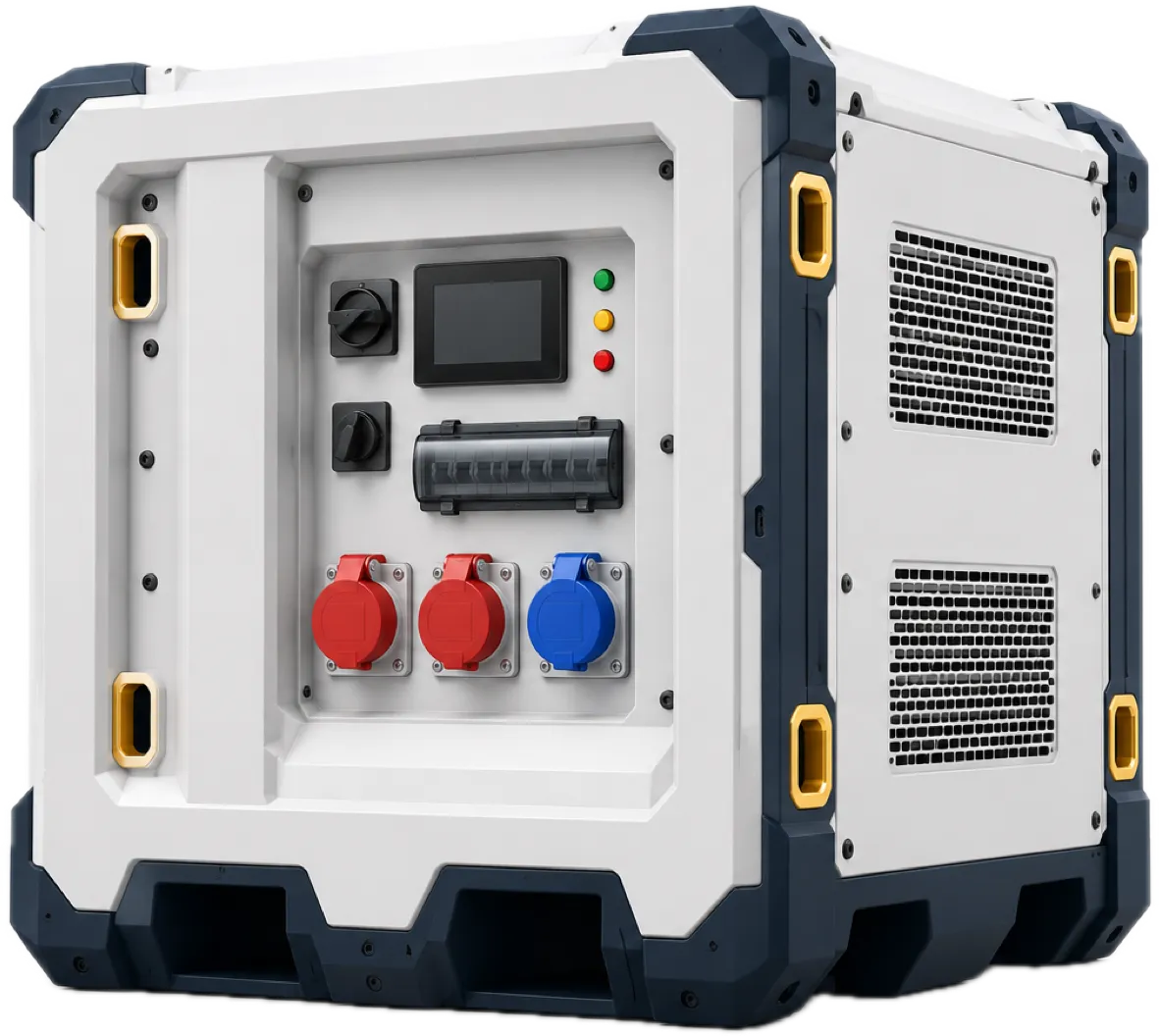
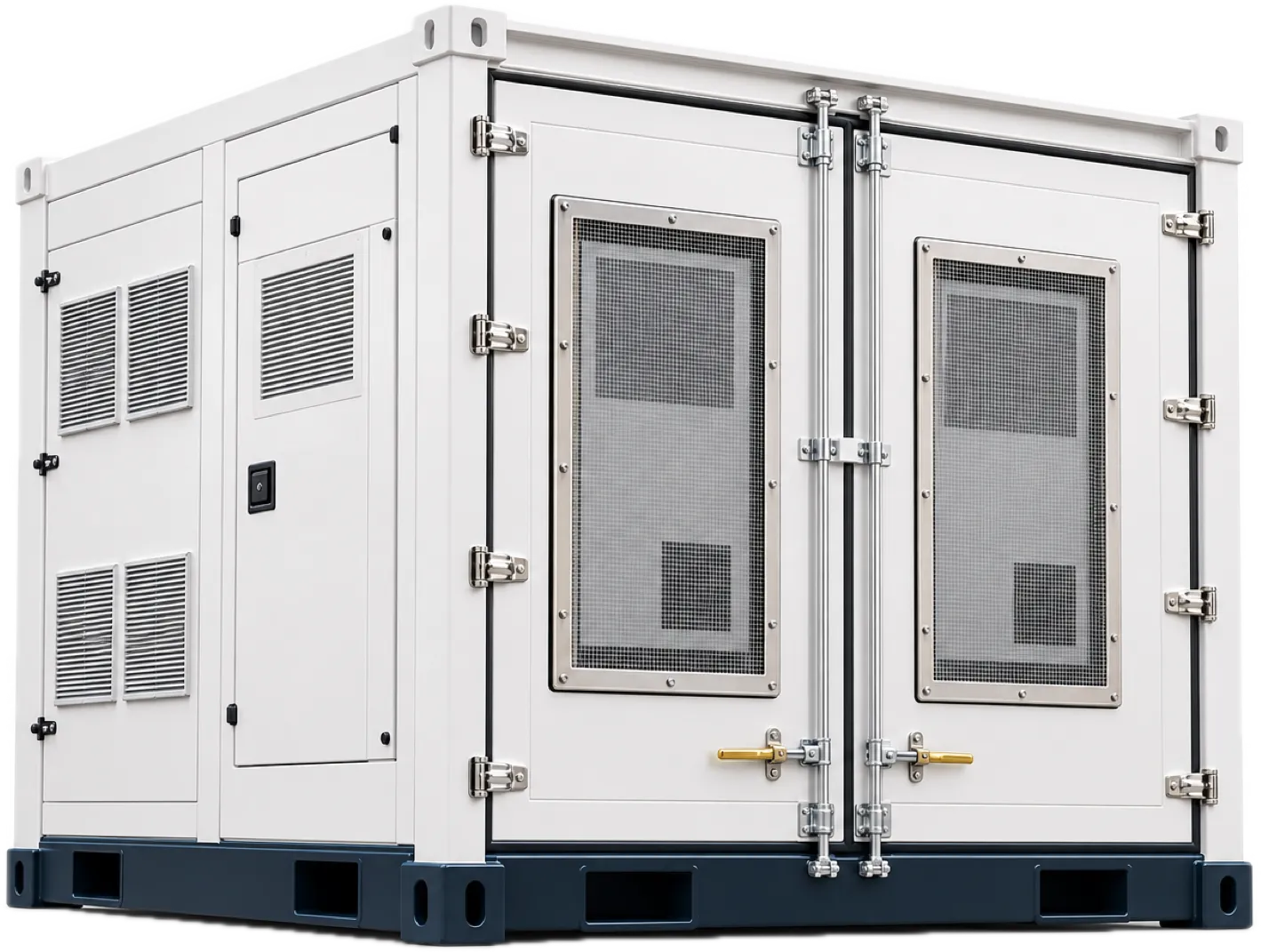
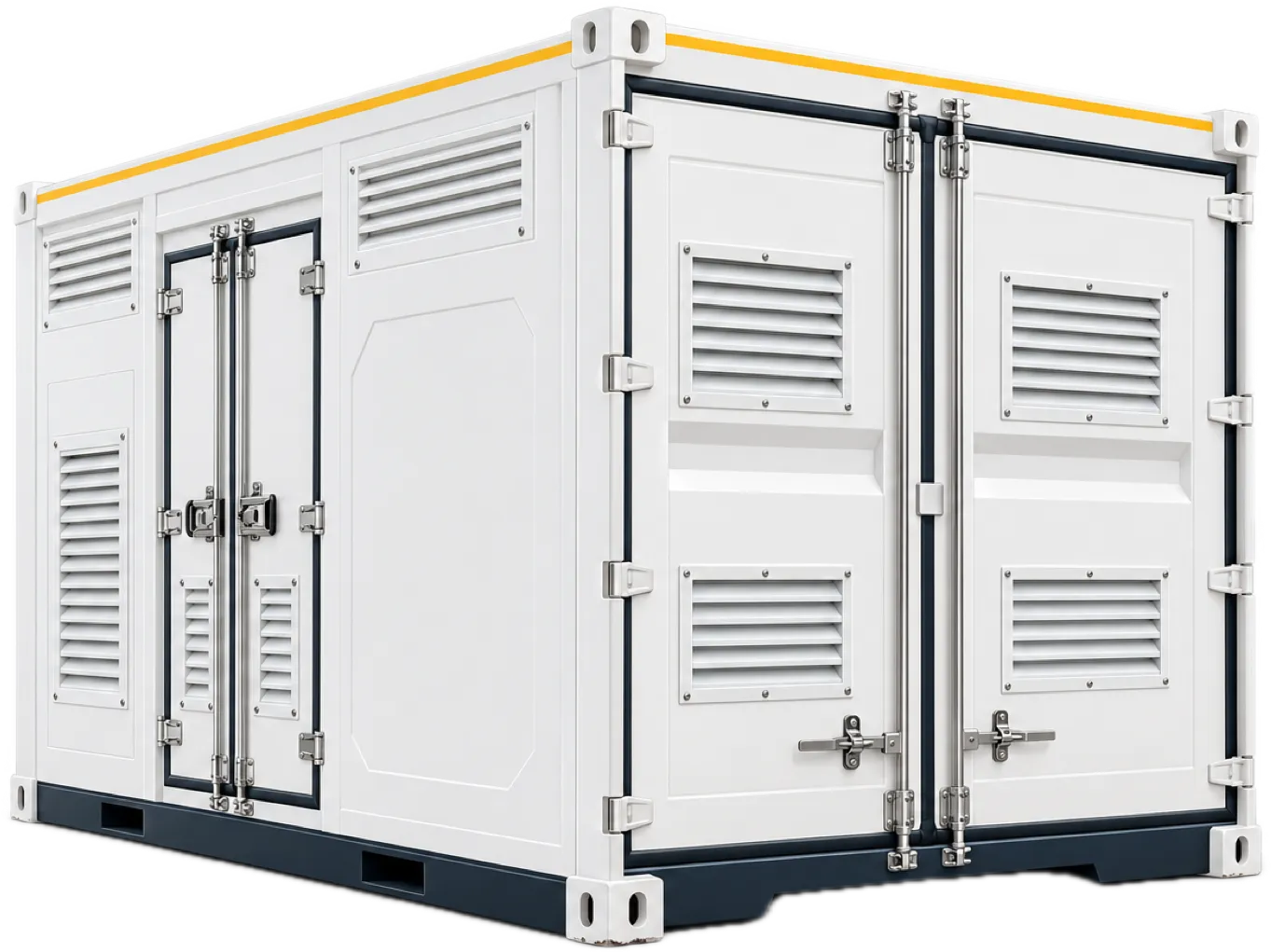
Tell us where you need energy and which activities or loads you want to back up.
Ask about a solution for my operationQuestions about industry and remote operations
Does a Roxon system replace the generator?
It depends on the operation. In many cases storage cuts the generator’s running hours and the generator stays as support. Doing without it depends on demand, the solar resource and how the system is sized.
Other sectors
- HomesBackup for essential loads and better use of solar energy.
- Commerce and businessEnergy that supports business continuity and better management of consumption.
- Agriculture and pumpingEnergy options for irrigation, pumping and productive activities.
- Electric mobilityIntegrating generation, storage and vehicle charging.