
Illustrative image
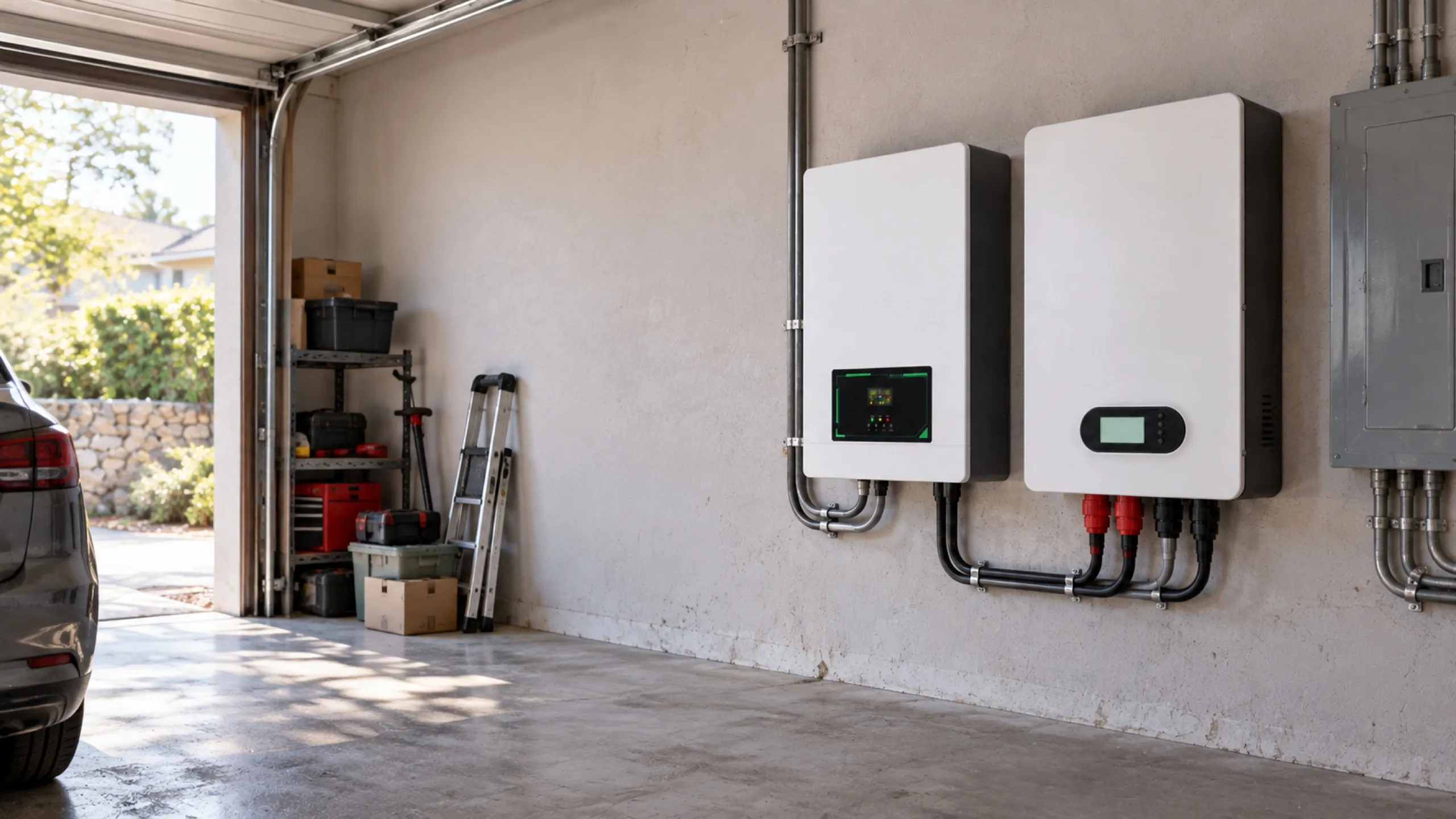
Homes
Energy that keeps up with life at home.
Energy backup keeps essential loads running when the power supply is interrupted. Combining solar and storage also makes it possible to use the energy generated at different times of day.
Which loads are backed up, and for how long, depends on the configuration and how the installation is used.
At home, a power outage interrupts refrigeration, lighting, connectivity and remote work. Meanwhile, solar panels generate during the day, when many homes use little energy, and that energy isn’t always put to use.
- Keep essential loads running during an outage.
- Use solar energy generated during the day in the evening and at night.
- Add storage capacity if consumption grows.
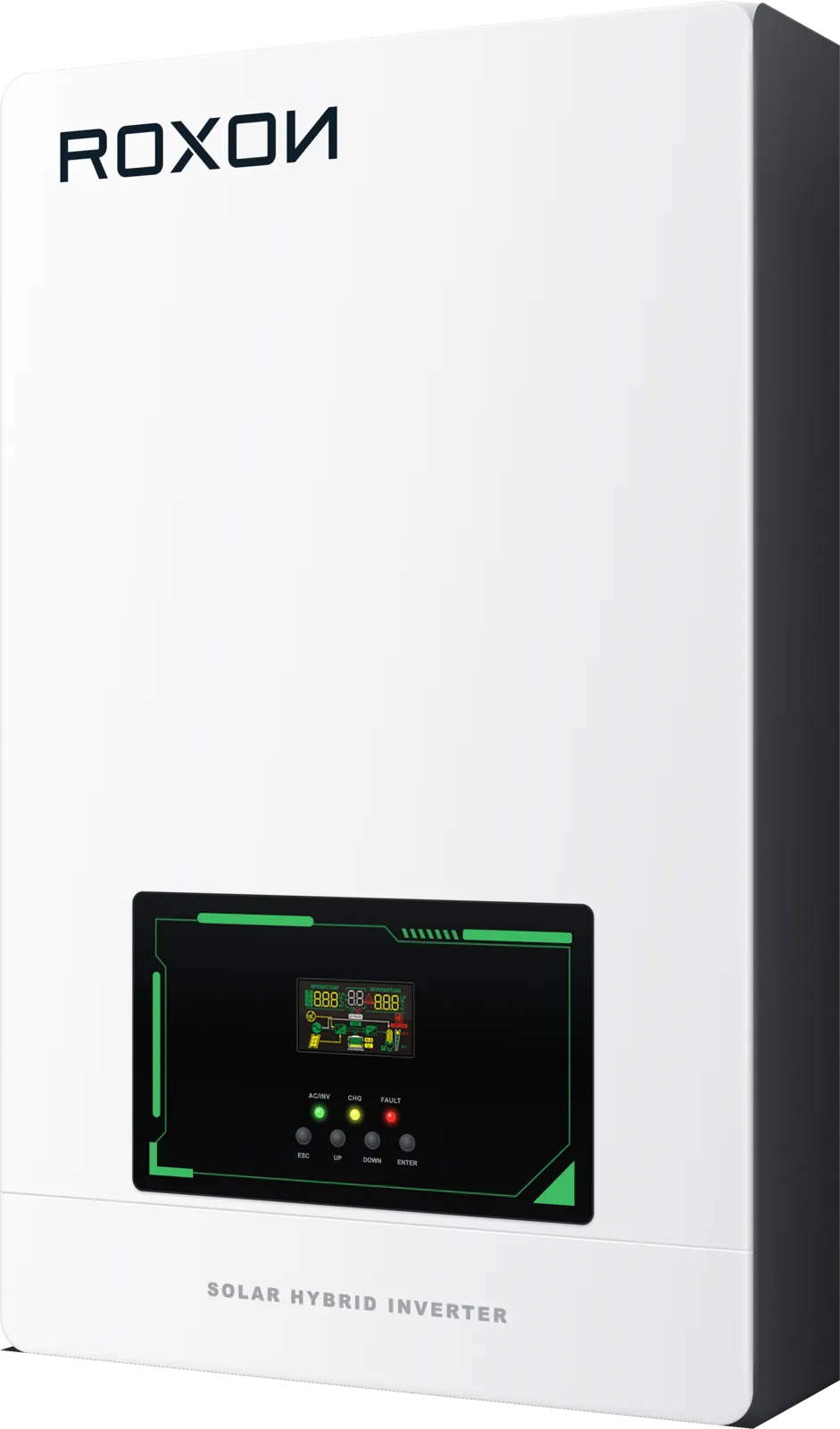
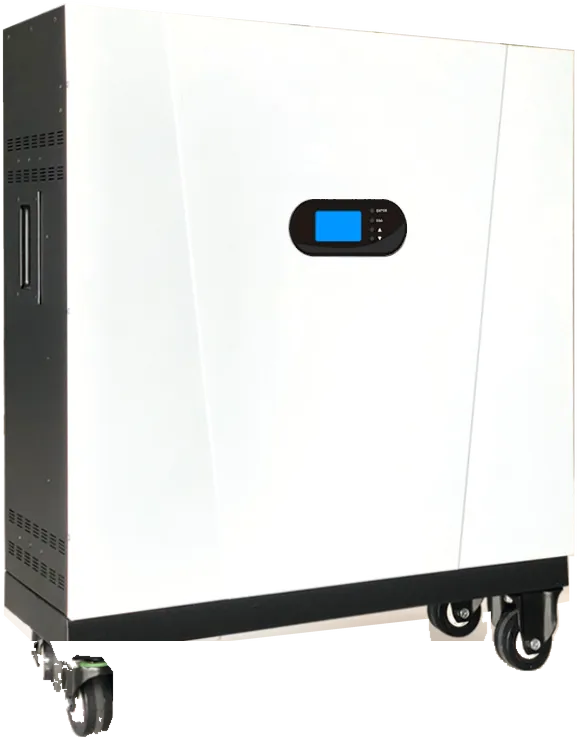
A hybrid inverter connects the panels, the battery and the home’s installation. Solar supplies the loads first, the surplus charges the battery and the grid stays as support. During an outage, the backed-up loads switch to the battery automatically. Roxon Hybrid inverters don’t export energy to the grid.
Power outages
Fridge, lighting, router and work equipment keep running for as long as the stored energy lasts.
Remote work and study
Computers and communications stay on during the outage.
Homes with solar panels
The battery stores the day’s energy for use in the evening and at night.
- The inverter power determines how many appliances can run at the same time.
- The battery capacity determines how many hours of backup are available.
- Motor-driven equipment, such as pumps or compressors, needs its starting current checked.
Every unit has its datasheet and manual published, and inverter–battery compatibility is documented.
Tell us where you need energy and which activities or loads you want to back up.
Ask about a solution for my homeQuestions about homes
How long can a Roxon battery back up a home?
It depends on the battery capacity and the loads connected. Roxon’s guides explain how to estimate it from each appliance’s consumption, and each battery’s datasheet states its capacity.
Do Roxon inverters export energy to the grid?
No. Roxon Hybrid inverters work in self-consumption mode: solar energy is used in the home or stored in the battery, and the grid is only used as support.
Other sectors
- Commerce and businessEnergy that supports business continuity and better management of consumption.
- Industry and remote operationsPower supply and storage adapted to operating conditions.
- Agriculture and pumpingEnergy options for irrigation, pumping and productive activities.
- Electric mobilityIntegrating generation, storage and vehicle charging.